Pub Theology 11/10/26 -- Forgive and ...
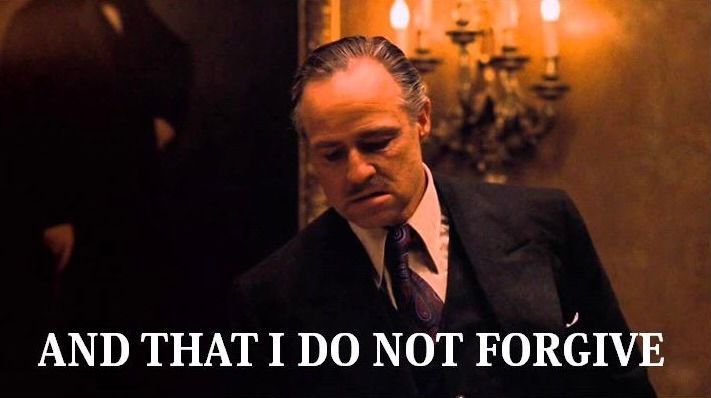
First, and before anyone panics and despite first appearances, this is not a political topic. It just happens to stem from the words of a political figure. On Sunday evening, President Trump gave an extraordinary interview to the CBS program "60 Minutes." This interview came just days after his party suffered historic losses in midterm elections, and while the discussion did touch on that, and other issues, towards the end it swerved into an unexpected lane.
Correspondent Ross Douthat, who while a writer at The New York Times wrote often about the intersection of faith and public policy (often from a conservative Roman Catholic perspective), asked the president whether he could forgive his political enemies if that was what it took to enter heaven. Trump, who described himself as "a religious person," nevertheless balked at the answer. Douthat pressed:
"Mr. President, you have had the most charmed and remarkable life of any American in my entire lifetime, and you are telling me that before the judgment throne of God, you couldn't find it in your heart to forgive some of your enemies? After all that's been given to you?"
Trump responded: "Can I be honest? I probably cannot do that, no, because I do hate some of my enemies, and I always will." To put it bluntly, Trump suggested he would rather hold onto his grudges and go to hell than forgive his enemies.
Leaving politics out of it, how do you respond to this? How do you square this with your own experience? In order for us to be forgiven, must we forgive everyone we believe has wronged us? As Christians, or as people of faith more generally, do we have a responsibility to forgive others? Are there things for us that cannot be forgiven, even at the cost of our own salvation?
Join us for the conversation tomorrow evening, Tuesday, Nov. 10, starting at 7pm at Irish Tavern in downtown Lake Orion.